

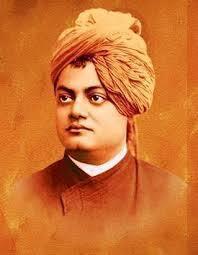
In today’s fast-paced world, people often struggle with stress, uncertainty, lack of confidence, and the pressure to succeed. At a time when technology connects us more than ever, many people still search for inner peace, purpose, and direction. The teachings of Swami Vivekananda offer timeless lessons that can help us face the challenges of modern life with courage, confidence, discipline, and compassion.
Who Was Swami Vivekananda?
Swami Vivekananda was born as Narendranath Datta in 1863 in Kolkata, India. He became a disciple of Sri Ramakrishna and later travelled extensively across India. His historic speech at the World’s Parliament of Religions in Chicago in 1893 introduced many Western audiences to Indian spirituality and the philosophy of Vedanta.
He believed that education should develop the complete personality of an individual and that every person has enormous potential within. His teachings focused not only on spirituality but also on character building, social service, education, strength, and self-confidence.
Today, institutions such as the Ramakrishna Mission continue to promote his ideals through education, healthcare, social service, and cultural activities.
1. Belief In Yourself
One of Swami Vivekananda’s most powerful teachings was the importance of self-confidence. He believed that people should recognize their own inner strength instead of constantly depending on others for validation.
Modern life often encourages comparison. Social media, academic competition, professional pressure, and financial expectations can make people feel that they are not good enough.
Vivekananda’s teachings remind us to focus on our own potential.
How to apply this lesson:
Believe in your ability to learn new skills.
Do not let failure define your identity.
Avoid unnecessary comparison with others.
Set realistic goals and work consistently toward them.
Learn from mistakes instead of fearing them.
Self-belief does not mean thinking that you are perfect. It means having the confidence to improve yourself.
2. Strength In Essential for Success
Swami Vivekananda frequently emphasized the importance of strength—physical, mental, and spiritual. He believed that weakness prevents people from realizing their potential.
In modern life, strength can mean developing emotional resilience, maintaining discipline, managing stress, and having the courage to make difficult decisions.
Whether you are a student preparing for an examination or a professional building a career, challenges are unavoidable. Instead of running away from difficulties, developing resilience can help you handle them more effectively.
Strength of character is one of the most important lessons from Swami Vivekananda for modern society.
3. Education Should Build Character
For Swami Vivekananda, education was much more than memorizing information. He believed that the real purpose of education was to bring out the abilities already present within a person.
This idea is particularly important in the modern education system. Students need academic knowledge, but they also need communication skills, creativity, confidence, critical thinking, ethics, and leadership qualities.
A truly meaningful education should help students become responsible and capable individuals.
Parents and educators can apply this principle by encouraging children to:
Think independently
Ask questions
Develop practical skills
Build confidence
Respect others
Take responsibility for their actions
Education becomes more valuable when it prepares students not only for examinations but also for life.
3. Develop Focum And Concentration
Modern technology provides unlimited distractions. Smartphones, social media, online entertainment, and constant notifications can make it difficult to concentrate.
Swami Vivekananda strongly emphasized concentration as a key to learning and achievement. According to his philosophy, the ability to focus the mind is essential for accomplishing meaningful goals.
Students can apply this teaching by creating distraction-free study sessions. Professionals can benefit by focusing on one important task at a time rather than constantly switching between activities.
Simple practices such as meditation, mindful breathing, reading, and maintaining a structured routine can also support better concentration.
5. Serve Others
Another important aspect of Swami Vivekananda’s philosophy was service to humanity. He believed that serving people was an important expression of spiritual life.
In the modern world, success is often measured through money, status, or professional achievements. Vivekananda’s teachings provide a broader definition of success.
Helping someone learn, supporting a person in need, volunteering, protecting the environment, or contributing to the community can create a deeper sense of purpose.
Service does not always require large actions. Even small acts of kindness can make a meaningful difference.
6. Be Fearless
Fear can prevent people from pursuing their goals. Fear of failure, rejection, criticism, or uncertainty can keep individuals inside their comfort zones.
Swami Vivekananda encouraged people to develop fearlessness and courage. His teachings suggest that challenges should be approached with determination rather than constant anxiety.
For modern students and young professionals, this lesson is especially valuable. Trying something new, learning from failure, speaking confidently, and taking responsible risks are all parts of personal growth.
Fear may be natural, but allowing fear to control every decision can limit potential.
7. Find balance Between Success And Inner Peace
Technology and economic development have made life more convenient, but they have also created new pressures. People may become so focused on career and financial success that they neglect their mental and spiritual well-being.
Swami Vivekananda’s teachings encourage a balanced approach to life. Material progress and personal development do not necessarily have to conflict with each other.
A balanced lifestyle can include:
Meaningful work
Physical activity
Time with family
Learning and self-development
Meditation or reflection
Helping others
Adequate rest
True success should include both external achievement and inner development.
8. Take Responsibility For Your Life
Swami Vivekananda encouraged individuals to become responsible for their own growth. Instead of blaming circumstances or waiting for someone else to change their lives, people should take initiative.
This principle is highly relevant today.
If you want to develop a career, learn new skills. If you want better communication, practice speaking. If you want greater knowledge, read and study. Personal transformation begins with action.
Taking responsibility does not mean ignoring circumstances beyond our control. It means focusing on what we can control—our choices, efforts, attitude, and response to challenges.
Swami Vivekananda’s Teachings for Students
Students can benefit greatly from Vivekananda’s philosophy. His teachings encourage discipline, concentration, self-confidence, character building, and service.
Instead of viewing education only as a path to examinations or employment, students can see it as an opportunity to develop themselves as complete individuals.
Teachers and educational institutions can also introduce students to Vivekananda’s ideas through discussions, cultural programmes, reading activities, leadership programmes, and community service.
Why Swami Vivekananda’s Teachings Still Matter
More than a century after his major public appearances, Swami Vivekananda’s ideas continue to resonate because they address fundamental human questions.
How can we become stronger?
How can we overcome fear?
How can we discover our potential?
What is the purpose of education?
How can we contribute to society?
These questions remain relevant regardless of technological or social change.
His teachings encourage people to combine knowledge with character, ambition with discipline, and personal success with service to humanity.
Conclusion
Swami Vivekananda’s teachings provide valuable guidance for modern life. His emphasis on self-confidence, strength, education, concentration, fearlessness, responsibility, and service can help people navigate the challenges of the 21st century.
For students, his message can inspire better learning and character development. For professionals, it can encourage confidence, discipline, and purposeful work. For society, his philosophy highlights the importance of compassion and service.
The greatest lesson from Swami Vivekananda is perhaps that human potential is far greater than we often realize. By developing our minds, strengthening our character, helping others, and having faith in ourselves, we can move toward a more meaningful and purposeful life.
Explore more inspiring stories, educational resources, and articles on Indian culture, history, education, and great personalities to continue your journey of learning and self-development.
“Arise, awake, and stop not till the goal is reached.” – Swami Vivekananda
We invite you to explore more about his life and works through our various academic programmes, seminars, and workshops held regularly at the campus.


